




In 2022, 208 parishes were grouped into 109 pastoral regions. Most regions were led by one pastor; many pastoral regions were served by a single priest.
When Beacons of Light was implemented in 2022, 57 Families of Parishes were formed.
Of the 57 Families of Parishes:
Two-thirds or more:
Most Families of Parishes have engaged in thoughtful visioning for a better future and have documented that in vision statements and mission statements. However, they will fail to attain their visions if the day-to-day behaviors and actions of Family leadership do not change to embody their future visions. The everyday behaviors, attitudes, and language we encourage, tolerate, and reward serve to define and reinforce the lived ecclesial culture of our Families of Parishes. A strong, highly coherent, and effective team is essential for making a Family of Parishes truly vital.
Ecclesial (Church or parish) culture refers to the set of customs, beliefs, practices, behaviors, and traditions associated with a particular religious community and how they express and live out their faith. This includes the shared values and norms that guide parishioners’ behaviors and interactions within that community. Most often, this ecclesial culture is not taught but caught from the lived example of the community’s clergy, staff, and parishioner leadership.
Culture management is especially important for Families of Parishes that are seeking to migrate from maintenance mode to mission. To form and send disciples into the world and fulfill the great commission, our Families of Parishes must purposefully define and manage the evolution of their ecclesial culture.
Seven Family Leadership Teams have participated in a Culture Definition Retreat, strengthening their skill in promoting a culture aligned with the visions for their respective Family of Parishes. Four FLTs have participated in a similar process in a workshop format. Two additional Families are working directly with the CPV Pastoral Planning Office as they address culture through surveys and coaching.
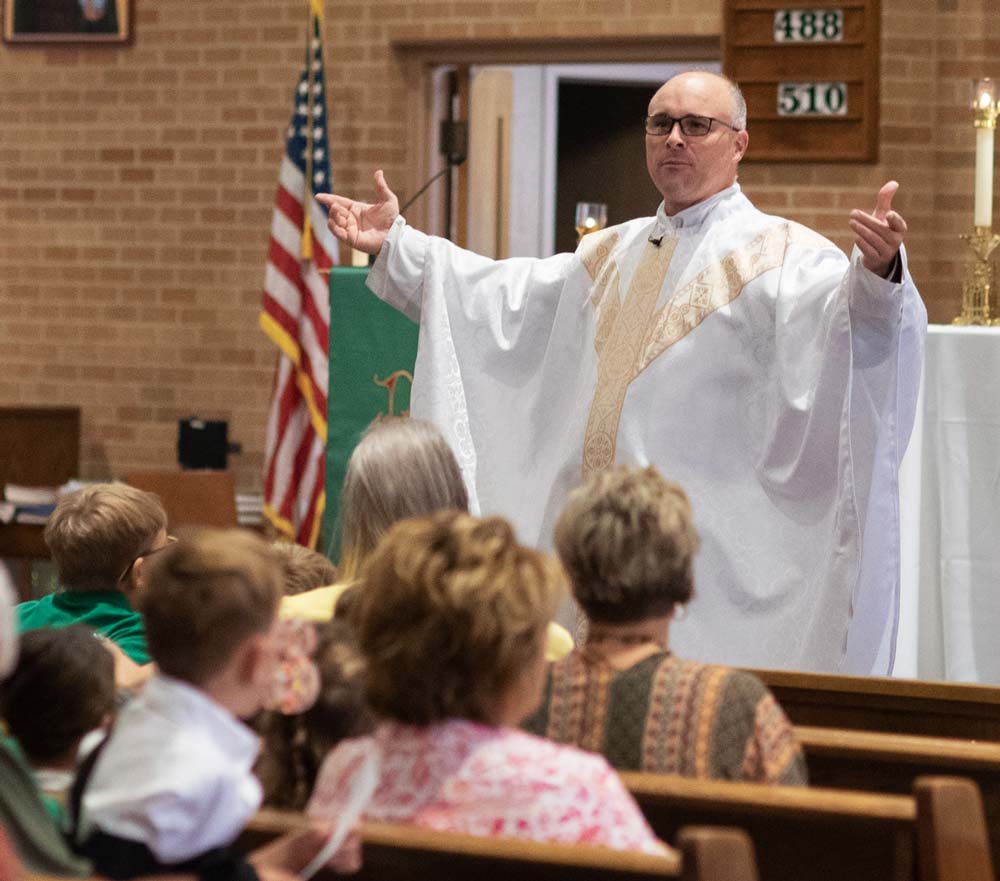
“We are learning to build a strong parish culture, not out of thin air, but tapping into the richness that already exists in the cultures of the six parishes in our Family. We’re going beyond combining organizations on a chart and constantly reminding ourselves that our true objective is to create a healthy and sustainable Family of Parishes.”
— Father Jason Bedel, St. Michael the Archangel Family of Parishes
“As we journey through the process of canonical unification, it is important for us to communicate openly and clearly with our Family of Parishes, to help everyone understand not only what is happening, but why it’s happening — to ensure that each parishioner feels informed, included, and confident in the future we are building together as a family of faith.”
— Rachel Prindle, St. John Paul II Family of Parishes

No one person in our clergy, staff, and lay leadership could possibly have all the different levels of expertise necessary to form disciples and send them on mission. Disciples Radiate Christ is a program for parish leadership that teaches them how to do just that. Participants learn how their parishes can support an individual’s spiritual journey toward discipleship and mission, including stewardship, love in action, and evangelization.
Since its release in mid-2024, Disciples Radiate Christ has been viewed by over 3,000 people, with leaders using the modules as formation to establish a culture of missionary discipleship.

The Mass is the source and summit of the whole Christian life. Accordingly, the Eucharist is the essential moment for building up and strengthening the parish community, along with the sacraments and other celebrations of the paschal mystery – the passion, death and resurrection of Jesus Christ.
A major focus for most Families of Parishes has been moving toward a unified experience of the Eucharist and other liturgical celebrations throughout their Families. Thirty-two Families have begun establishing their Family liturgical culture, norms, and practices. An increase in the number of Family Worship Commissions is resulting in more cohesive practices, such as common hymnals, procedures, formation, and scheduling of liturgical ministers. Priests rotate through all worship sites in their Families so that parishioners may become familiar with them. Unified Triduum and Confirmation celebrations are more prevalent in Families of Parishes.
As noted above, the Mass schedules for both Sunday and weekdays are becoming increasingly more appropriate for Families, making best use of spaces and the time and talent of clergy and lay liturgical ministers.
Many Families highlight an expansion in the availability of adoration of the Blessed Sacrament, increasing frequency of opportunities for adoration or establishing perpetual adoration chapels for their Families.
Each of us is called to actively participate as a member of a parish, the universal Church and our local Church, led by our archbishop. Parishes continually deepen the bonds of communion with other parishes.
Overall, Families continue to gently grow the one-Family identity with many church buildings and campuses. Common retreats, reconciliation services, adoration opportunities, feast day celebrations, and community events (such as picnics and festivals) are strengthening the move toward becoming one faith community. Many Families report that parishioners are increasingly attending Masses at churches, that are not their parish churches, within their respective Families.
Some Families held town hall meetings to learn what parishioners hope to preserve while moving forward together. Twenty-four Families report they are forming their Family culture by reverencing the history and heritage of each parish while establishing a renewed faith community. Twenty-two additional Families report progress in this parameter.
Combined programs, such as youth or young adult ministry, are furthering growth within Families of Parishes. Two Families created a Family directory of parishioners, which is furthering identity and unity within the Family of Parishes.

Pastors, in collaboration with parochial vicars, deacons and lay ministers, according to their proper roles and charisms, share responsibility for pastoral leadership. The spiritual, physical and mental health and ongoing support of ordained and lay leaders is vital for Families of Parishes.
A significant number of Families have transitioned from individual parish councils as Family pastoral councils become normative. These bodies are involved in processes to discern future direction, canonical unification, choosing a Family name, and honoring and blending the shared histories of parishes, among other consultative functions. Families have held town hall or other input-gathering meetings throughout the year.
Family Leadership Teams meet more regularly, as do staff in particular disciplines such as youth ministers, music ministers, business managers, and stewardship champions within deaneries and at the archdiocesan level. Key staff positions now frequently serve the Family; centralized offices, shared databases, and calendars are streamlining staff functioning and efficiency.
Some teams have included Disciples Radiate Christ or a common book study as part of their formation and meetings. Some Family staff have participated in retreats or hold quarterly staff development days to build unity, trust, and culture among Family leaders.
In addition to Disciples Radiate Christ, a new leadership formation resource site was published this year. Video Resources for Parish Leaders features brief video clips, questions for discussion, and resources for further exploration, as well as a few full-length workshop videos for leadership teams, ministry groups, and individual leaders to use.
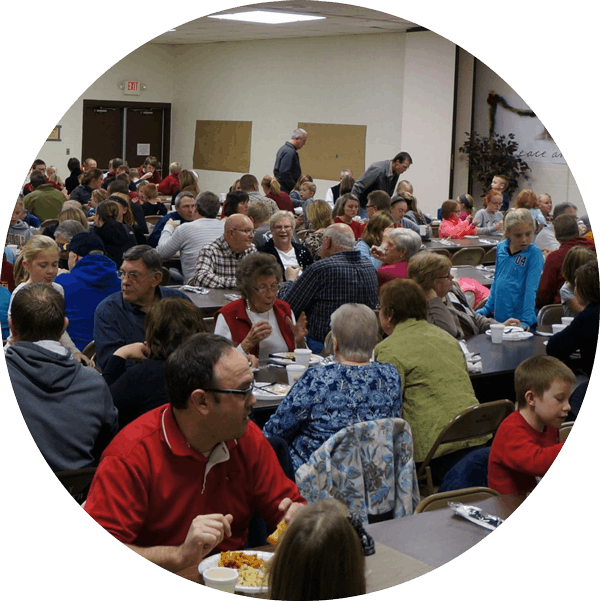

Families of Parishes are communities of grateful disciples. Recognizing God’s gifts, they use their talents, skills and resources to build up the Church and live as Christ’s Body in the world.
An increasing number of Families have a designated Stewardship Champion (point person) and have or are forming a core leadership team to establish stewardship as a way of life in their Families of Parishes. Core teams typically include parishioners from all the parishes within the Family. Many teams are focusing on welcome and hospitality as a beginning point for stewardship ministry. Others have taken time to create a common ministry directory, hold ministry fairs, and ensure that gathering spaces are inviting, particularly for visitors or new parishioners.
Stewardship formation is included in bulletins and on Family websites. Homily series, newsletters, and small group formation are being utilized to encourage a deepening of the spirituality of stewardship. Families are combining efforts for Love in Action through food pantries, clothing drives, and prison ministry, inviting parishioners to share their talents and gifts in service and outreach.
Families are integrating vocational awareness through the use of Archbishop Schnurr’s Prayer for Vocations, youth and parent vocational outreach, and participation in Andrew Dinners and Bethany Brunches.
Families are moving toward a standard format for annual financial reports to build trust, offer accountability, and report on the financial well-being of the entire Family. Some Families have begun or are considering a Legacy Fair, providing resources on funeral pre-planning, estate planning, and leaving financial gifts to the Family.
The Stewardship Department has developed a weekly offertory enhancement program called “LIFT.” LIFT stands for “Living in Faith Together” and is a turnkey, easy-to-implement program that helps parishes integrate gratitude, prayer, community, and trust into their weekly offertory. So far, 11 parishes have implemented aspects of this program, and five more plan to launch it in Lent 2026.

As centers of missionary outreach, Families of Parishes find new ways to foster discipleship among all the baptized. Schools, parishes and indeed the domestic church itself are centers of this essential work.
Families describe a period of significant structural transition and renewed focus on missionary discipleship. Continued development in the role and formation of directors of evangelization is widespread. Some are highly qualified, have a clearly defined role, are part of the Family Leadership Team, and have an Evangelization team. Some have a foundation of understanding and experience and are developing the role as they proceed. Others have been appointed with no change to a previous position, are not part of the FLT, or do not have an Evangelization team. Several new Marriage and Family positions have been added to Evangelization teams.
A primary trend is the shift away from a drop-off model of religious education and toward whole-family catechesis, through which parents are equipped as the primary catechists of their children. There has also been an increase in Catechesis of the Good Shepherd (CGS) atriums. New marriage catechumenates and Baptism preparation processes are being used to re-engage young parents. Combined retreats for First Holy Communion or Confirmation bring together youth from the parishes in the Family.
New discipleship pathways are being fostered through programs (such as the Rescue Project), small groups (such as Reach More), and retreats (such as Welcome and This Man Is You) and are engaging people to move toward missionary discipleship. Many Families of Parishes note — with encouraging responses — specialized outreach to Hispanic members, senior parishioners, and high school youth. Invitations to new residents through direct mailings, increased presence on social media, and email blasts to parishioners offer high-impact entry points.
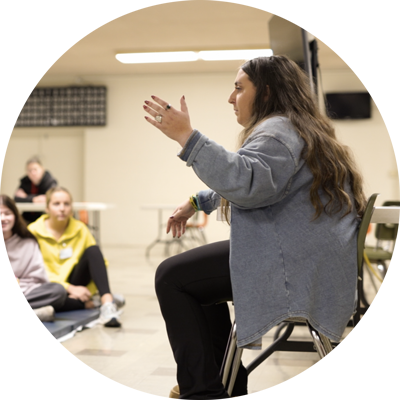

Families of Parishes will be communities of charity and justice, serving those most in need and working to change systems that oppress and marginalize.
An increase in designated Love in Action coordinators is encouraging for future growth in this key area. The most successful Families are moving away from isolated, individual programs and toward a unified model of ministry and formation. Pastors note that a Love in Action director or coordinator ensures that initiatives do not stall due to parishioner burnout. Combined teams bring best practices from parishes to fashion more effective Family ministry and avoid duplicating efforts.
New initiatives in some Families of Parishes include mental wellness, disability support, and sensory-friendly Masses with American Sign Language. Diverse engagement models (such as project-based service days) and specialized ministries (such as grief support and English Language Learner programs) are emerging. Consolidation of St. Vincent de Paul chapters is becoming more widespread. Intercultural competence is an area of increasing attention. It is worthy to note that, of the 57 Families of Parishes, a few are actively providing opportunities to increase appreciation for and understanding of Catholic Social Teaching principles.
Many Families of Parishes still face challenges to more fully embracing growth in the Love in Action principle. Not all Families are addressing the principle through the formation of a team with a point person on staff. Some staff with a Love in Action coordinator or point person report that they have not been empowered to comprehensively address this principle. Fourteen Families have participated in Becoming Communities of Salt and Light and have found the process helpful in forming their teams.
Previous Section:
Next Section: